Monthly Archives
April 2017
A partnership built below the waterline: Viking Valhalla Winter 2026
A partnership built below the waterline: Viking Valhalla Winter 2026
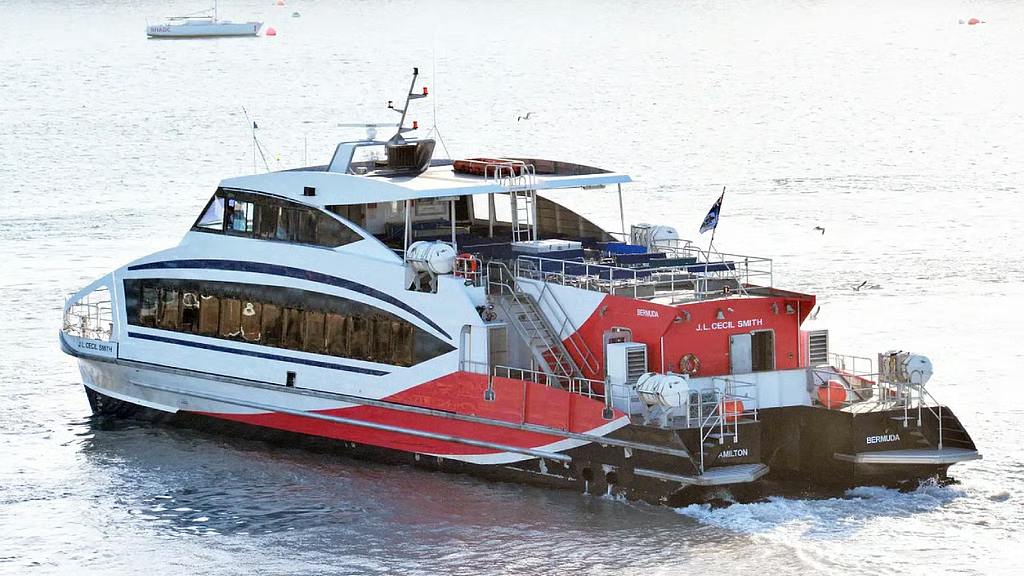
New Catamaran Ferries Enter Service in Bermuda
New Catamaran Ferries Enter Service in Bermuda
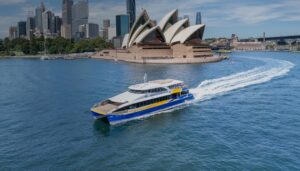
VEEM Extreme Propellers supporting Manly Fast Ferry on decarbonisation pathway
VEEM Extreme Propellers supporting Manly Fast Ferry on decarbonisation pathway
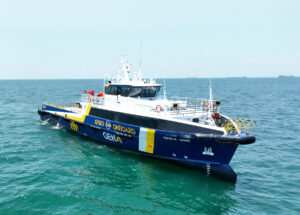
VEEM Gyro Technology Supporting Next-Generation Fast Crew Boats
VEEM Gyro Technology Supporting Next-Generation Fast Crew Boats
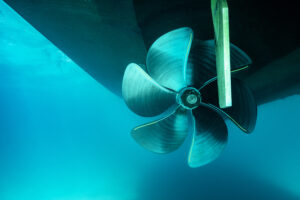
VEEM Launches new VEEM Extreme Propulsion Range
VEEM Launches new VEEM Extreme Propulsion Range
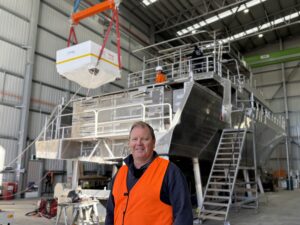
VEEM Gyro on the road from Perth to Geraldton
VEEM Gyro on the road from Perth to Geraldton
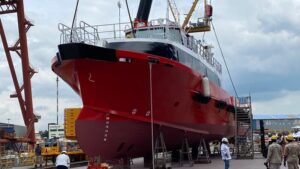
VEEM Gyro supports second hybrid Fast Crew Boat for Centus Marine
VEEM Gyro supports second hybrid Fast Crew Boat for Centus Marine
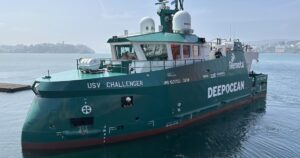
VEEM Gyro Stabilization Featured on DeepOcean’s New Uncrewed Surface Vessel
VEEM Gyro Stabilization Featured on DeepOcean’s New Uncrewed Surface Vessel

VEEM components support launch of 9th Evolved Cape-class Patrol Boat
VEEM components support launch of 9th Evolved Cape-class Patrol Boat
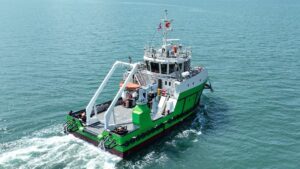
VEEM Gyro supports new offshore utility vessel Tor Boreas
VEEM Gyro supports new offshore utility vessel Tor Boreas
Van Diemen named Best Patrol Boat 2024 with VEEM components onboard
Van Diemen named Best Patrol Boat 2024 with VEEM components onboard
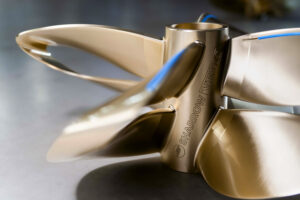
SHARROW by VEEM program enters accelerated commercial phase
SHARROW by VEEM program enters accelerated commercial phase
Marine Service Asia joins VEEM Marine global dealer network
Marine Service Asia joins VEEM Marine global dealer network
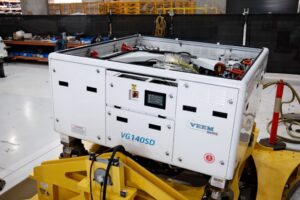
VEEM Marine commissions advanced gyro stabiliser test rig
VEEM Marine commissions advanced gyro stabiliser test rig
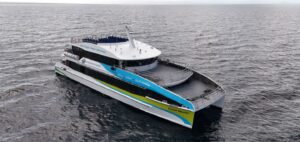
VEEM propellers power new Ocean Master ferry for Rottnest Fast Ferries
VEEM propellers power new Ocean Master ferry for Rottnest Fast Ferries
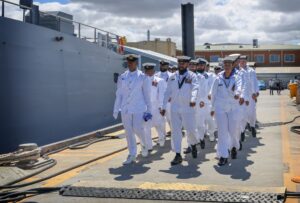
VEEM supports delivery of 22nd Guardian-class Patrol Boat, RFNS Timo
VEEM supports delivery of 22nd Guardian-class Patrol Boat, RFNS Timo
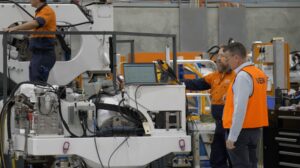
Inside VEEM: How Marine Gyrostabilizers Are Made
Inside VEEM: How Marine Gyrostabilizers Are Made
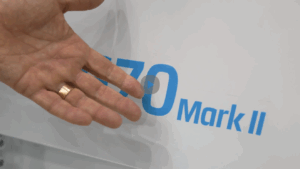
Announcing VEEM Marine Mark II Range of Gyrostabilisers
Announcing VEEM Marine Mark II Range of Gyrostabilisers
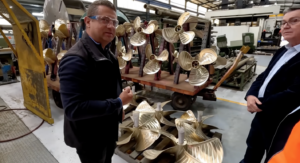
A New Type of Prop! VEEM’s Propeller Innovation Featured by NautiStyles
A New Type of Prop! VEEM’s Propeller Innovation Featured by NautiStyles
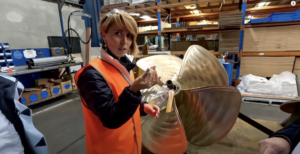
A new type of propeller, with Nauti Styles
A new type of propeller, with Nauti Styles
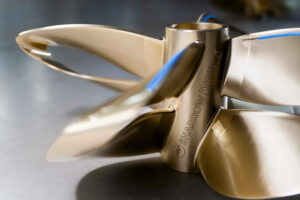
Sharrow Propeller Named in TIME’s Best Inventions of 2023
Sharrow Propeller Named in TIME’s Best Inventions of 2023
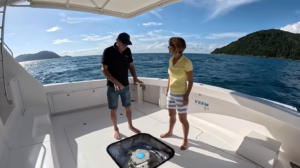
GO BIG or GO HOME! — NautiStyles Visits VEEM Marine
GO BIG or GO HOME! — NautiStyles Visits VEEM Marine
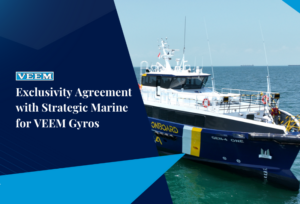
Exclusivity Agreement with Strategic Marine for VEEM Gyros
Exclusivity Agreement with Strategic Marine for VEEM Gyros

A first for Australian Offshore Policing: VEEM Gyrostabiliser selected for Patrol Vessel
A first for Australian Offshore Policing: VEEM Gyrostabiliser selected for Patrol Vessel
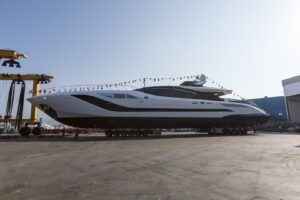
Mangusta 165 REV the future of the Maxi Open has launched
Mangusta 165 REV the future of the Maxi Open has launched
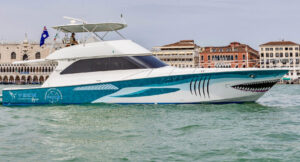
VEEM recognised as preferred supplier for Viking Yachts
VEEM recognised as preferred supplier for Viking Yachts
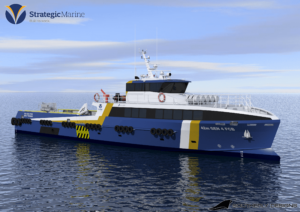
Strategic Marine collaborates with VEEM Marine as supply partner
Strategic Marine collaborates with VEEM Marine as supply partner

OceanXpress provides next level crew change solution
OceanXpress provides next level crew change solution
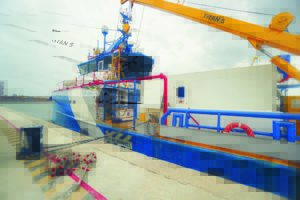
Damen FCS 5009 m/v Leonardo gets an upgrade that defies the roll of the sea
Damen FCS 5009 m/v Leonardo gets an upgrade that defies the roll of the sea
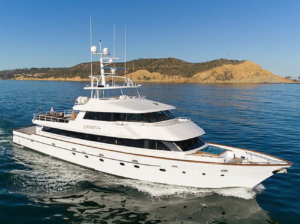
Spin-up and spin-down performance of the VEEM Marine Gyrostabilizers
Spin-up and spin-down performance of the VEEM Marine Gyrostabilizers
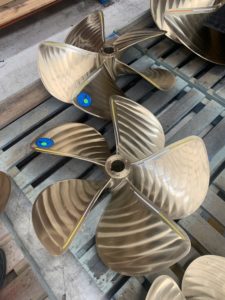
What sets VEEM Propellers apart from the rest
What sets VEEM Propellers apart from the rest

Two new prestige super yacht builders order VEEM Gyros super yacht addressable market size update
Two new prestige super yacht builders order VEEM Gyros super yacht addressable market size update
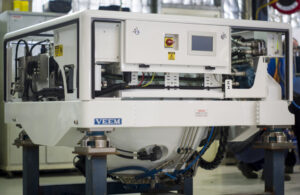
VEEM to present at NWR Virtual Investor Conference
VEEM to present at NWR Virtual Investor Conference
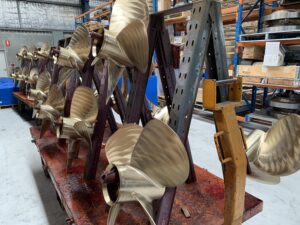
Record sales of props in 2021
Record sales of props in 2021
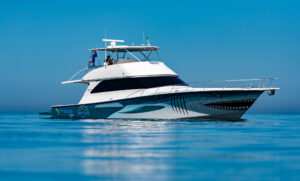
VEEM Viking PowerPlay Vessel completes a circumnavigation of Australia
VEEM Viking PowerPlay Vessel completes a circumnavigation of Australia
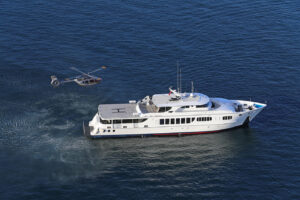
Gyros vs Fins (automobiles vs horse and buggy)
Gyros vs Fins (automobiles vs horse and buggy)
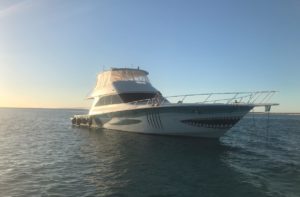
The VEEM Gyro Power Play Tour: Australia
The VEEM Gyro Power Play Tour: Australia
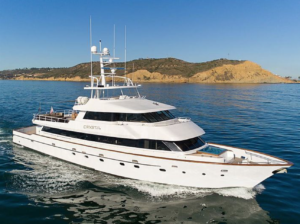
VEEM confirms sale of VG145SD to M/Y EL REY in San Diego
VEEM confirms sale of VG145SD to M/Y EL REY in San Diego
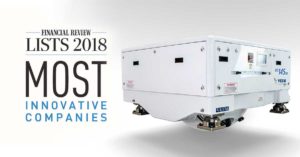
VEEM Ltd recognised as top innovator for 2018
VEEM Ltd recognised as top innovator for 2018
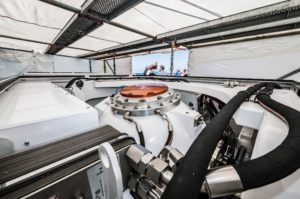
Global Shipbuilding giant, Damen Shipyards group confirms successful sea trials of VEEM gyrostabilizers
Global Shipbuilding giant, Damen Shipyards group confirms successful sea trials of VEEM gyrostabilizers
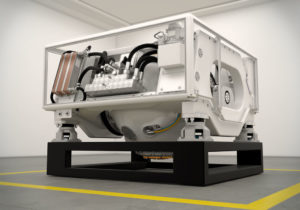
First VEEM VG260SD Gyrostabilizer sold to Spain’s Friere shipyard for Kuwait Patrol Vessel
First VEEM VG260SD Gyrostabilizer sold to Spain’s Friere shipyard for Kuwait Patrol Vessel
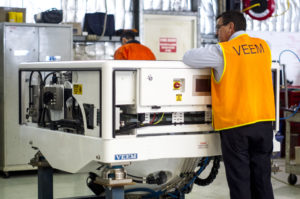
VEEM secures contract to supply first VG1000SD Gyro
VEEM secures contract to supply first VG1000SD Gyro
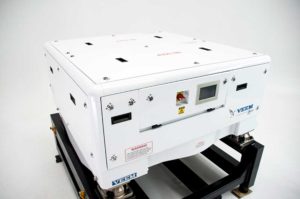
New, more powerful VEEM Gyros are now available
New, more powerful VEEM Gyros are now available
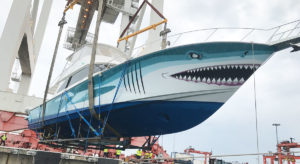
VEEM Gyro Demo Vessel In Med from October
VEEM Gyro Demo Vessel In Med from October
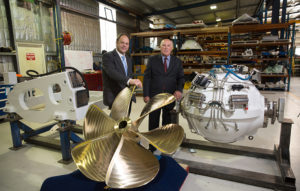
Giving super yachts a smooth ride: AAMC Interview with Mark Miocevich
Giving super yachts a smooth ride: AAMC Interview with Mark Miocevich
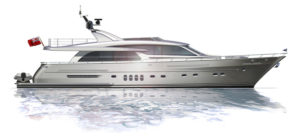
VEEM Gyro records fantastic sea trials onboard Motor Yacht Anemeli
VEEM Gyro records fantastic sea trials onboard Motor Yacht Anemeli
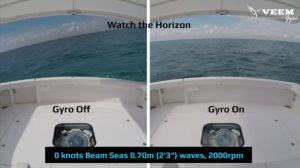
85% roll reduction on the VEEM Gyro 120 filmed recently near Fremantle
85% roll reduction on the VEEM Gyro 120 filmed recently near Fremantle

Another amazing sea trial result for the VG120
Another amazing sea trial result for the VG120
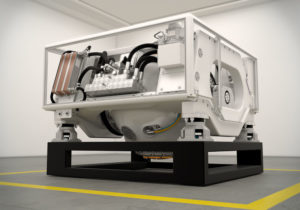
First assembly of VG260 commences
First assembly of VG260 commences
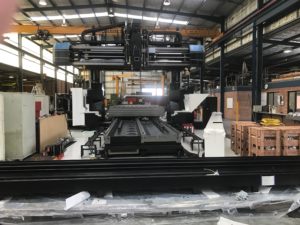
VEEM increases CNC machining capability to enable manufacture of propellers up to 4.5m in diameter
VEEM increases CNC machining capability to enable manufacture of propellers up to 4.5m in diameter
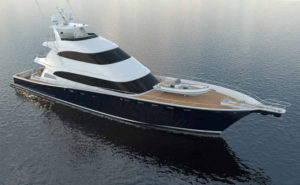
VEEM delivers two VG120s to 127 foot New Zealand Sportfisher
VEEM delivers two VG120s to 127 foot New Zealand Sportfisher

VEEM Gyro reduces roll reduction on MY Tango by 61%
VEEM Gyro reduces roll reduction on MY Tango by 61%
VEEM Ltd (ASX:VEE) is a global leader in precision engineering, specializing in advanced marine, defense, and aerospace technologies, proudly designed and manufactured in Australia to deliver world-class innovation and reliability.
VEEM Marine is the Marine division of VEEM Ltd providing high-technology marine products to companies across the globe.
Find us
Head Office:
22 Baile Rd,
Canning Vale, WA 6155
AUSTRALIA
Postal:
PO Box 1542,
Canning Vale, WA 6970
AUSTRALIA
Contact Us
Phone: +61 8 9455 9355 (Available 9-5 AWST)
General: veem@veem.com.au
Propellers: props@veem.com.au
Gyro Sales: gyro@veem.com.au
Gyro Service: gyroservice@veem.com.au
Hollowbar: hollowbar@veem.com.au
Defence: defence@veem.com.au
Engineering Products: sales@veem.com.au
Keep in touch
Subscribe to receive the info you’re interested in, and we’ll ensure you receive it as soon as it happens. Manage your preferences any time.
 Tested. Witnessed. Verified.